













Occupational Health and Safety Technicians
Collect data on work environments for analysis by occupational health and safety specialists. Implement and conduct evaluation of programs designed to limit chemical, physical, biological, and ergonomic risks to workers. Sample of reported job titles: Construction Safety Consultant; Consultant; Director of Safety; Environmental, Health, and Safety EHS Leader; Health and Safety Tech; Plant Safety Leader; Project Manager, Senior; Safety Professional, Industrial Hygiene Consultant; Safety Specialist; Senior Environmental, Health and Safety Professional
Occupational Health and Safety Technicians
Daily tasks/Routine activities
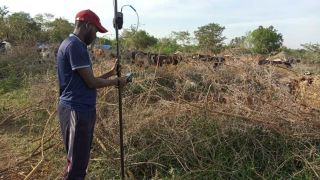
1. Test workplaces for environmental hazards, such as exposure to radiation, chemical or biological hazards, or excessive noise.
2. Verify availability or monitor use of safety equipment, such as hearing protection or respirators.
3. Supply, operate, or maintain personal protective equipment.
4. Evaluate situations or make determinations when a worker has refused to work on the grounds that danger or potential harm exists.
5. Maintain all required environmental records and documentation.
6. Prepare or calibrate equipment used to collect or analyze samples.
7. Plan emergency response drills.
8. Recommend corrective measures to be applied based on results of environmental contaminant analyses.
9. Prepare or review specifications or orders for the purchase of safety equipment, ensuring that proper features are present and that items conform to health and safety standards.
10. Conduct worker studies to determine whether specific instances of disease or illness are job-related.
11. Inspect fire suppression systems or portable fire systems to ensure proper working order.
12. Maintain logbooks of daily activities, including areas visited or activities performed.
13. Provide consultation to organizations or agencies on the workplace application of safety principles, practices, or techniques.
14. Test workplaces for environmental hazards, such as exposure to radiation, chemical or biological hazards, or excessive noise.
Key knowledge areas
English Language — Knowledge of the structure and content of the English language including the meaning and spelling of words, rules of composition, and grammar.
Education and Training — Knowledge of principles and methods for curriculum and training design, teaching and instruction for individuals and groups, and the measurement of training effects.
Law and Government — Knowledge of laws, legal codes, court procedures, precedents, government regulations, executive orders, agency rules, and the democratic political process.
Public Safety and Security — Knowledge of relevant equipment, policies, procedures, and strategies to promote effective local, state, or national security operations for the protection of people, data, property, and institutions.
Customer and Personal Service — Knowledge of principles and processes for providing customer and personal services. This includes customer needs assessment, meeting quality standards for services, and evaluation of customer satisfaction.
Abilities
Speaking — Talking to others to convey information effectively.
Active Listening — Giving full attention to what other people are saying, taking time to understand the points being made, asking questions as appropriate, and not interrupting at inappropriate times.
Reading Comprehension — Understanding written sentences and paragraphs in work related documents.
Critical Thinking — Using logic and reasoning to identify the strengths and weaknesses of alternative solutions, conclusions or approaches to problems.
Writing — Communicating effectively in writing as appropriate for the needs of the audience.
Some of the courses that prepare students for this career
-
Apprenticeship is the proven way for getting excellent workers
Know more -
How to choose the right career path
Know more -
How to draw career inspiration from what you learn in class
Know more -
why you cannot give up now
Know more -
Know more -
Know more -
Know more -
 The 10,000 hours of practice
Know more -
Know more -
Know more -
Know more -
Know more -
Know more -
Valuing today as you visualize tomorrow
Know more -
Jack Ma tells it all
Know more -
Joint courses give graduates edge
Know more -
Sports can boost your confidence
Know more -
 There are more than three job opportunities in a given profession that one can take advantage of.
Know more -
Know more
Watch and Listen what the practioneers in your field are saying