




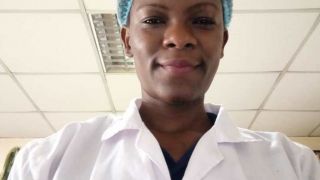




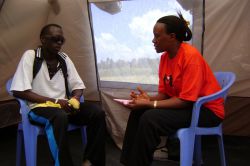








Gynecologist
Physicians who provide medical care related to pregnancy or childbirth and those who diagnose, treat, and help prevent diseases of women, particularly those affecting the reproductive system. May also provide general medical care to women.
Gynecologist
Daily tasks/Routine activities
1. Collect, record, and maintain patient information, such as medical histories, reports, and examination results.
2. Treat diseases of female organs.
3. Care for and treat women during prenatal, natal, and postnatal periods.
4. Prescribe or administer therapy, medication, and other specialized medical care to treat or prevent illness, disease, or injury.
5. Perform cesarean sections or other surgical procedures as needed to preserve patients' health and deliver babies safely.
6. Analyze records, reports, test results, or examination information to diagnose medical condition of patient.
7. Explain procedures and discuss test results or prescribed treatments with patients.
8. Monitor patients' conditions and progress and reevaluate treatments as necessary.
9. Advise patients and community members concerning diet, activity, hygiene, and disease prevention.
10. Refer patient to medical specialist or other practitioner when necessary.
11. Direct and coordinate activities of nurses, students, assistants, specialists, therapists, and other medical staff.
12. Consult with or provide consulting services to other physicians.
13.Plan, implement, or administer health programs in hospitals, businesses, or communities for prevention and treatment of injuries or illnesses.
14. Prepare government and organizational reports on birth, death, and disease statistics, workforce evaluations, or the medical status of individuals.
15. Conduct research to develop or test medications, treatments, or procedures to prevent or control disease or injury.
Medicine and Dentistry — Knowledge of the information and techniques needed to diagnose and treat human injuries, diseases, and deformities. This includes symptoms, treatment alternatives, drug properties and interactions, and preventive health-care measures.
English Language — Knowledge of the structure and content of the English language including the meaning and spelling of words, rules of composition, and grammar.
Biology — Knowledge of plant and animal organisms, their tissues, cells, functions, interdependencies, and interactions with each other and the environment.
Customer and Personal Service — Knowledge of principles and processes for providing customer and personal services. This includes customer needs assessment, meeting quality standards for services, and evaluation of customer satisfaction.
Psychology — Knowledge of human behavior and performance; individual differences in ability, personality, and interests; learning and motivation; psychological research methods; and the assessment and treatment of behavioral and affective disorders.
Critical Thinking — Using logic and reasoning to identify the strengths and weaknesses of alternative solutions, conclusions or approaches to problems.
Active Listening — Giving full attention to what other people are saying, taking time to understand the points being made, asking questions as appropriate, and not interrupting at inappropriate times.
Reading Comprehension — Understanding written sentences and paragraphs in work related documents.
Skills
The following skills aid a Gynecologist carry out his/her duties with ease ;.
Speaking — Talking to others to convey information effectively.
Active Learning — Understanding the implications of new information for both current and future problem-solving and decision-making.
Problem Sensitivity — The ability to tell when something is wrong or is likely to go wrong. It does not involve solving the problem, only recognizing there is a problem
Inductive Reasoning — The ability to combine pieces of information to form general rules or conclusions (includes finding a relationship among seemingly unrelated events).
Oral Comprehension — The ability to listen to and understand information and ideas presented through spoken words and sentences.
Deductive Reasoning — The ability to apply general rules to specific problems to produce answers that make sense.
Oral Expression — The ability to communicate information and ideas in speaking so others will understand.
Some of the courses that prepare students for this career
-
Apprenticeship is the proven way for getting excellent workers
Know more -
How to choose the right career path
Know more -
How to draw career inspiration from what you learn in class
Know more -
why you cannot give up now
Know more -
Know more -
Know more -
Know more -
 The 10,000 hours of practice
Know more -
Know more -
Know more -
Know more -
Know more -
Know more -
Valuing today as you visualize tomorrow
Know more -
Jack Ma tells it all
Know more -
Joint courses give graduates edge
Know more -
Sports can boost your confidence
Know more -
 There are more than three job opportunities in a given profession that one can take advantage of.
Know more -
Know more
Watch and Listen what the practioneers in your field are saying