1.Conduct chemical analysis of body fluids, including blood, urine, or spinal fluid, to determine presence of normal or abnormal components.
2. Analyze laboratory findings to check the accuracy of the results.
3. Operate, calibrate, or maintain equipment used in quantitative or qualitative analysis, such as spectrophotometers, calorimeters, flame photometers, or computer-controlled analyzers.
4. Collect and study blood samples to determine the number of cells, their morphology, or their blood group, blood type, or compatibility for transfusion purposes, using microscopic techniques.
5. Enter data from analysis of medical tests or clinical results into computer for storage.
6. Establish or monitor quality assurance programs or activities to ensure the accuracy of laboratory results.
7. Analyze samples of biological material for chemical content or reaction.
8. Set up, clean, and maintain laboratory equipment.
9. Provide technical information about test results to physicians, family members, or researchers.
10. Cultivate, isolate, or assist in identifying microbial organisms or perform various tests on these microorganisms.
11. Supervise, train, or direct lab assistants, medical and clinical laboratory technicians or technologists, or other medical laboratory workers engaged in laboratory testing.
12. Develop, standardize, evaluate, or modify procedures, techniques, or tests used in the analysis of specimens or in medical laboratory experiments.
13. Harvest cell cultures at optimum time, based on knowledge of cell cycle differences and culture conditions.
14. Select and prepare specimens and media for cell cultures, using aseptic technique and knowledge of medium components and cell requirements.
15. Obtain, cut, stain, and mount biological material on slides for microscopic study and diagnosis, following standard laboratory procedures.
16. Conduct medical research under direction of microbiologist or biochemist.
Key knowledge areas
Biology — Knowledge of plant and animal organisms, their tissues, cells, functions, interdependencies, and interactions with each other and the environment.
Medicine and Dentistry — Knowledge of the information and techniques needed to diagnose and treat human injuries, diseases, and deformities. This includes symptoms, treatment alternatives, drug properties and interactions, and preventive health-care measures.
Customer and Personal Service — Knowledge of principles and processes for providing customer and personal services. This includes customer needs assessment, meeting quality standards for services, and evaluation of customer satisfaction.
Chemistry — Knowledge of the chemical composition, structure, and properties of substances and of the chemical processes and transformations that they undergo. This includes uses of chemicals and their interactions, danger signs, production techniques, and disposal methods.
English Language — Knowledge of the structure and content of the English language including the meaning and spelling of words, rules of composition, and grammar.
Skills
The following skills aid a . carry out his/her duties with ease ;
Active Listening — Giving full attention to what other people are saying, taking time to understand the points being made, asking questions as appropriate, and not interrupting at inappropriate times.
Critical Thinking — Using logic and reasoning to identify the strengths and weaknesses of alternative solutions, conclusions or approaches to problems.
Reading Comprehension — Understanding written sentences and paragraphs in work related documents.
Science — Using scientific rules and methods to solve problems.
Operation Monitoring — Watching gauges, dials, or other indicators to make sure a machine is working properly.
Abilities
Near Vision — The ability to see details at close range (within a few feet of the observer).
Written Comprehension — The ability to read and understand information and ideas presented in writing.
Inductive Reasoning — The ability to combine pieces of information to form general rules or conclusions (includes finding a relationship among seemingly unrelated events).
Oral Comprehension — The ability to listen to and understand information and ideas presented through spoken words and sentences.
Deductive Reasoning — The ability to apply general rules to specific problems to produce answers that make sense.
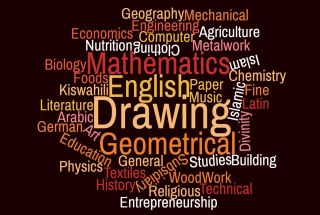
Some of the courses that prepare students for this career








 The 10,000 hours of practice
 There are more than three job opportunities in a given profession that one can take advantage of.