












Pastor
Conduct religious worship and perform other spiritual functions associated with beliefs and practices of religious faith or denomination. Provide spiritual and moral guidance and assistance to members. Pray and promote spirituality.
Pastor
Daily tasks/Routine activities
1. Read from sacred texts such as the Bible.
2. Prepare and deliver sermons or other talks.
3. Organize and lead regular religious services.
4. Plan or lead religious education programs.
5. Instruct people who seek conversion to a particular faith.
6. Counsel individuals or groups concerning their spiritual, emotional, or personal needs.
7. Administer religious rites or ordinances.
8. Devise ways in which congregational membership can be expanded.
9. Visit people in homes, hospitals, or prisons to provide them with comfort and support.
10. Study and interpret religious laws, doctrines, or traditions.
11. Conduct special ceremonies, such as weddings, funerals, or confirmations.
12.Train leaders of church, community, or youth groups.
13. Respond to requests for assistance during emergencies or crises.
14. Share information about religious issues by writing articles, giving speeches, or teaching.
Key knowledge areas
The following key knowledge areas help a Pastor execute his duties better.
Philosophy and Theology — Knowledge of different philosophical systems and religions. This includes their basic principles, values, ethics, ways of thinking, customs, practices, and their impact on human culture.
English Language — Knowledge of the structure and content of the English language including the meaning and spelling of words, rules of composition, and grammar.
Therapy and Counseling — Knowledge of principles, methods, and procedures for diagnosis, treatment, and rehabilitation of physical and mental dysfunctions, and for career counseling and guidance.
Psychology — Knowledge of human behavior and performance; individual differences in ability, personality, and interests; learning and motivation; psychological research methods; and the assessment and treatment of behavioral and affective disorders.
Education and Training — Knowledge of principles and methods for curriculum and training design, teaching and instruction for individuals and groups, and the measurement of training effects.
Skills
The following skills aid a Pastor carry out his/her duties with ease ;.
Speaking — Talking to others to convey information effectively.
Active Listening — Giving full attention to what other people are saying, taking time to understand the points being made, asking questions as appropriate, and not interrupting at inappropriate times.
Service Orientation — Actively looking for ways to help people.
Social Perceptiveness — Being aware of others' reactions and understanding why they react as they do.
Reading Comprehension — Understanding written sentences and paragraphs in work related documents.
Abilities
Oral Expression — The ability to communicate information and ideas in speaking so others will understand.
Speech Clarity — The ability to speak clearly so others can understand you.
Speech Recognition — The ability to identify and understand the speech of another person.
Oral Comprehension — The ability to listen to and understand information and ideas presented through spoken words and sentences.
Written Comprehension — The ability to read and understand information and ideas presented in writing.
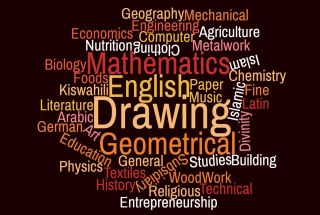
Some of the courses that prepare students for this career
-
Apprenticeship is the proven way for getting excellent workers
Know more -
How to choose the right career path
Know more -
How to draw career inspiration from what you learn in class
Know more -
why you cannot give up now
Know more -
Know more -
Know more -
Know more -
 The 10,000 hours of practice
Know more -
Know more -
Know more -
Know more -
Know more -
Know more -
Valuing today as you visualize tomorrow
Know more -
Jack Ma tells it all
Know more -
Joint courses give graduates edge
Know more -
Sports can boost your confidence
Know more -
 There are more than three job opportunities in a given profession that one can take advantage of.
Know more
Watch and Listen what the practioneers in your field are saying