
















Training and Development manager
Plan, direct, or coordinate the training and development activities and staff of an organization.
Training and Development manager
Daily tasks/Routine activities
1. Prepare training budget for department or organization.
2. Evaluate instructor performance and the effectiveness of training programs, providing recommendations for improvement.
3. Analyze training needs to develop new training programs or modify and improve existing programs.
4. Conduct or arrange for ongoing technical training and personal development classes for staff members.
5. Plan, develop, and provide training and staff development programs, using knowledge of the effectiveness of methods such as classroom training, demonstrations, on-the-job training, meetings, conferences, and workshops.
6. Conduct orientation sessions and arrange on-the-job training for new hires.
7. Confer with management and conduct surveys to identify training needs based on projected production processes, changes, and other factors.
8. Train instructors and supervisors in techniques and skills for training and dealing with employees.
9. Develop and organize training manuals, multimedia visual aids, and other educational materials.
10. Develop testing and evaluation procedures.
11. Review and evaluate training and apprenticeship programs for compliance with government standards.
Key knowledge areas
Education and Training — Knowledge of principles and methods for curriculum and training design, teaching and instruction for individuals and groups, and the measurement of training effects.
English Language — Knowledge of the structure and content of the English language including the meaning and spelling of words, rules of composition, and grammar.
Administration and Management — Knowledge of business and management principles involved in strategic planning, resource allocation, human resources modeling, leadership technique, production methods, and coordination of people and resources.
Personnel and Human Resources — Knowledge of principles and procedures for personnel recruitment, selection, training, compensation and benefits, labor relations and negotiation, and personnel information systems.
Customer and Personal Service — Knowledge of principles and processes for providing customer and personal services. This includes customer needs assessment, meeting quality standards for services, and evaluation of customer satisfaction.
Skills
Learning Strategies — Selecting and using training/instructional methods and procedures appropriate for the situation when learning or teaching new things.
Speaking — Talking to others to convey information effectively.
Instructing — Teaching others how to do something.
Active Listening — Giving full attention to what other people are saying, taking time to understand the points being made, asking questions as appropriate, and not interrupting at inappropriate times.
Coordination — Adjusting actions in relation to others' actions.
Abilities
Oral Expression — The ability to communicate information and ideas in speaking so others will understand.
Speech Clarity — The ability to speak clearly so others can understand you.
Oral Comprehension — The ability to listen to and understand information and ideas presented through spoken words and sentences.
Written Comprehension — The ability to read and understand information and ideas presented in writing.
Written Expression — The ability to communicate information and ideas in writing so others will understand.
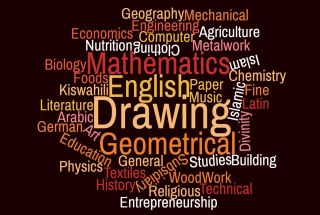
Some of the courses that prepare students for this career
-
Apprenticeship is the proven way for getting excellent workers
Know more -
How to choose the right career path
Know more -
How to draw career inspiration from what you learn in class
Know more -
why you cannot give up now
Know more -
Know more -
Know more -
Know more -
 The 10,000 hours of practice
Know more -
Know more -
Know more -
Know more -
Know more -
Know more -
Valuing today as you visualize tomorrow
Know more -
Jack Ma tells it all
Know more -
Joint courses give graduates edge
Know more -
Sports can boost your confidence
Know more -
 There are more than three job opportunities in a given profession that one can take advantage of.
Know more
Watch and Listen what the practioneers in your field are saying