I am a

student

institution

career professional
Breaking News
- Flexible Remote Work Opportunity for University Students: Earn $100–$250 Per Month ...Read More
- Ministry of Education and Sports Azerbaijan Government Scholarships For 2025-2026 Academic Year ...Read More
- Government Sponsorship Undergraduate Admission Lists 2025-26 for Makerere University ...Read More
- Ministry of Education And Sports: Egyptian Government Scholarships 2025-2026 Academic Year ...Read More
- Ground Breaker Full Scholarship for girls to study Software Engineering 2025 July Intake ...Read More
- Tony Elumelu Foundation Entrepreneurship Programme (TEEP) 2025 for young African Entrepreneurs ...Read More
- DESIGNING FUTURES 2050 International Design Competition 2025 (€15,000 prize) ...Read More
- Ground Breaker Full time Scholarship for girls to study Software Engineering 2025 Intake ...Read More
- Ministry of Education And Sports Algerian Vocational Training Scholarships for 2024-2025 AY ...Read More
- Ministry of Education and Sports Advert for the Algerian Government Scholarships for 2024-2025 ...Read More











Audio and Video Equipment Technician
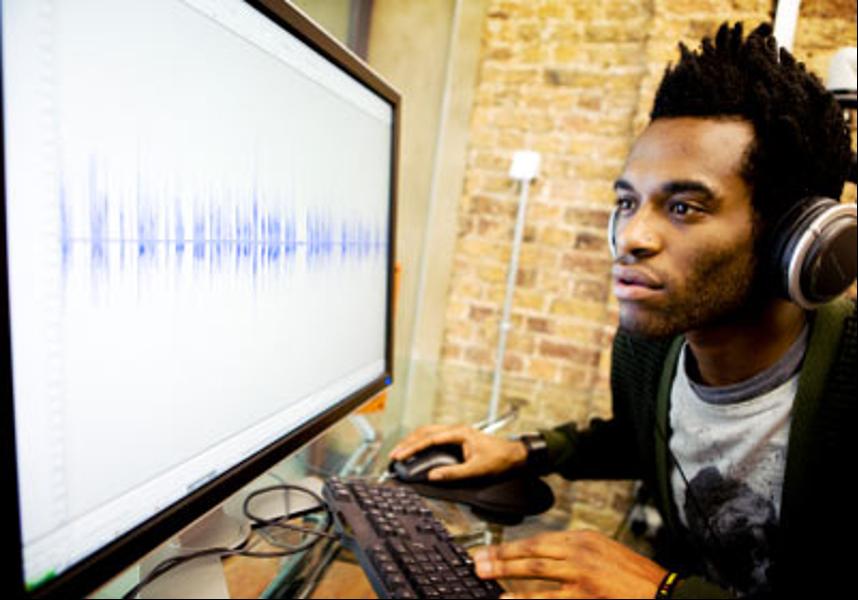
Set up, or set up and operate audio and video equipment including microphones, sound speakers, video screens, projectors, video monitors, recording equipment, connecting wires and cables, sound and mixing boards, and related electronic equipment for concerts, sports events, meetings and conventions, presentations, and news conferences. May also set up and operate associated spotlights and other custom lighting systems.
Add to FavouritesSet up, or set up and operate audio and video equipment including microphones, sound speakers, video screens, projectors, video monitors, recording equipment, connecting wires and cables, sound and mixing boards, and related electronic equipment for concerts, sports events, meetings and conventions, presentations, and news conferences. May also set up and operate associated spotlights and other custom lighting systems.
Sample of reported job titles: Audio Technician, Audio Visual Specialist, Audio Visual Technician, Audio/Visual Manager, Broadcast Engineer, Master Control Operator (MCO), Operations Technician, Production Assistant, Stagehand, Videographer
Daily Activities / Routine Tasks
1. Install, adjust, and operate electronic equipment to record, edit, and transmit radio and television programs, motion pictures, video conferencing, or multimedia presentations.
2. Diagnose and resolve media system problems.
3. Switch sources of video input from one camera or studio to another, from film to live programming, or from network to local programming.
4. Mix and regulate sound inputs and feeds or coordinate audio feeds with television pictures.
5. Compress, digitize, duplicate, and store audio and video data.
6. Perform minor repairs and routine cleaning of audio and video equipment.
7. Design layouts of audio and video equipment and perform upgrades and maintenance.
8. Conduct training sessions on selection, use, and design of audio-visual materials and on operation of presentation equipment
9. Determine formats, approaches, content, levels, and mediums to effectively meet objectives within budgetary constraints, using research, knowledge, and training.
Main Activities
Interacting With Computers : Using computers and computer systems (including hardware and software) to program, write software, set up functions, enter data, or process information.
Identifying Objects, Actions, and Events — Identifying information by categorizing, estimating, recognizing differences or similarities, and detecting changes in circumstances or events.
Getting Information — Observing, receiving, and otherwise obtaining information from all relevant sources.
Making Decisions and Solving Problems — Analyzing information and evaluating results to choose the best solution and solve problems.
Controlling Machines and Processes — Using either control mechanisms or direct physical activity to operate machines or processes (not including computers or vehicles).
Scheduling Work and Activities — Scheduling events, programs, and activities, as well as the work of others.
Inspecting Equipment, Structures, or Material — Inspecting equipment, structures, or materials to identify the cause of errors or other problems or defects.
Documenting/Recording Information — Entering, transcribing, recording, storing, or maintaining information in written or electronic/magnetic form.
Establishing and Maintaining Interpersonal Relationships — Developing constructive and cooperative working relationships with others, and maintaining them over time.
Repairing and Maintaining Electronic Equipment — Servicing, repairing, calibrating, regulating, fine-tuning, or testing machines, devices, and equipment that operate primarily on the basis of electrical or electronic (not mechanical) principles.
-
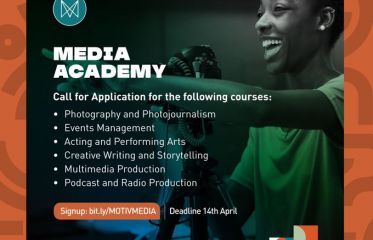 Call for application for multimedia courses
Know more -
Media Challenge Initiative is seeking applications for its Media Challenge Fellowship Program from journalism and media training institutions
Know more -
CANEX Presents Africa @ Portugal Fashion provides a platform for development of emerging fashion designers
Know more -
A fund for filmmakers who live and work on the African continent
Know more -
Become a Content Creator with the MoTIV Podcast and Radio Academy
Know more -
Are you an aspiring designer? Join our textile academy today
Know more -
 A Screenwriting Masterclass hosted by the creator of the BBC hit television series
Know more -
 Acting Masterclass hosted by the creator of the BBC hit television series
Know more -
Become a Worship Artist
Know more -
The Tarbell Fellowship is a one-year programme for early-career journalists interested in covering emerging technologies, especially artificial intelligence.
Know more -
Supported by Bold in Africa and a grant from Ignite Culture: ACP-EU Culture Programme (East Africa).
Know more -
Serve as a professional volunteer in any African Country
Know more -
Hone your skills as a young entrepreneurs
Know more -
Tuition and Funcational Fees Waiver Scholarship for First Year Female Students
Know more -
Photos should show the innovative aspects of technical and vocational education and training (TVET).
Know more -
Application for TVET Courses in Uganda
Know more -
Fellowship for Journalists
Know more -
 The Africa No Filter Comedy Lab is looking for talented African comedians to develop fresh and unfiltered content about Africa
Know more -
Masters Scholarship to study in Paris
Know more -
The winners will receive a $5,000 cash prize and a personalized crystal award
Know more -
Apply for the Last Mile Film Fund
Know more -
Submit your short fiction story
Know more -
Fully Funded Scholarships to undertake any master's course at any UK University
Know more -
Opportunity for East African Creatives
Know more -
 A Residence Programme is designed to stimulate arts-practice as research and presentation of new creative output
Know more -
 JustFilms projects are inspired by courageous individuals and undaunted communities seeking justice
Know more -
Diversify your skills in the Make Up Industry
Know more -
Malinga is the celebrated filmmaker behind the "Kalabanda Ate My Homework" animation
Know more -
The Getty Images Inclusion Grants are open to photographers around the world
Know more -
Funding Opportunity for Artists
Know more -
Become an African Union Fellow
Know more -
This grant call-out wants to contribute to an increase in African female storytellers and content creators and to give space to voices that are historically misrepresented
Know more -
Graduate Program in journalism
Know more -
Opportunity for African Creatives to Hon their Skills
Know more -
The African Development Bank Fashionomics Africa initiative’s second online competition is offering $6,000 total in cash prizes, mentoring, new branding packages and other support for winning African designers of sustainable and circular fashion
Know more -
Female journalists from across the continent to be a part of the inaugural cohort of fellows
Know more -
Movies with aspirational themes but also rooted in our diverse and dynamic realities are needed
Know more -
Design an Icon to symbolize the tack back and collection on e-waste!
Know more -
Fully Paid TVET Scholarships
Know more -
Win grants ranging from $1 000 to $5 000
Know more -
Beauty in Mind and Action for Sustainable Business
Know more -
Netflix and UNESCO are launching a short film competition to discover emerging filmmaking talent
Know more -
 Empowering Uganda's Youth for a Dynamic Future
Know more -
Grant Facility for the Cultural and Creative Sectors
Know more -
World class training from the leaders in Entertainment on the African Continent
Know more -
Great opportunity for film makers
Know more -
An international summit for the world's best young media makers
Know more -
Win Cash Prize of 2000 USD
Know more -
Four-week writers’ residency in Kigali (Rwanda) in September 2021
Know more -
Get world class mentorship from world class photograhers
Know more -
Fully Funded Residence Program for Artist
Know more -
Golden Opportunity for Writers
Know more -
Incubator of Animators to acquire world class skills
Know more -
The power of the dream
Know more -
Students poised to make a change in Entertainment
Know more -
The incredible story of Francis Ssewankambo
Know more