Floral designers, also called florists, cut and arrange live, dried, and silk flowers and greenery to make decorative displays. They also help customers select flowers, containers, ribbons, and other accessories.
Floral designers may create a single arrangement for a special occasion or design floral displays for rooms and open spaces for large-scale functions, such as weddings, funerals, or banquets. They use their sense of artistry and their knowledge of different types of flowers to choose the appropriate flowers for each occasion. Floral designers may also create single arrangements to serve a customer’s emotional needs, helping the customers to relax. Floral designers need to know what flowers are in season and when they will be available.
1. Confer with clients regarding price and type of arrangement desired and the date, time, and place of delivery.
2. Select flora and foliage for arrangements, working with numerous combinations to synthesize and develop new creations.
3. Order and purchase flowers and supplies from wholesalers and growers.
4. Deliver arrangements to customers, or oversee employees responsible for deliveries.
5. Plan arrangement according to client's requirements, utilizing knowledge of design and properties of materials, or select appropriate standard design pattern.
6. Water plants, and cut, condition, and clean flowers and foliage for storage.
7. Trim material and arrange bouquets, wreaths, terrariums, and other items using trimmers, shapers, wire, pins, floral tape, foam, and other materials.
8. Wrap and price completed arrangements.
9. Perform office and retail service duties such as keeping financial records, serving customers, answering telephones, selling giftware items and receiving payment.
10. Unpack stock as it comes into the shop.
11. Create and change in-store and window displays, designs, and looks to enhance a shop's image.
12. Inform customers about the care, maintenance, and handling of various flowers and foliage, indoor plants, and other items.
13. Perform general cleaning duties in the store to ensure the shop is clean and tidy.
14. Decorate or supervise the decoration of buildings, halls, churches, or other facilities for parties, weddings and other occasions.
15. Conduct classes or demonstrations, or train other workers.
Key Knowledge Areas
Customer and Personal Service — Knowledge of principles and processes for providing customer and personal services. This includes customer needs assessment, meeting quality standards for services, and evaluation of customer satisfaction. Production and Processing — Knowledge of raw materials, production processes, quality control, costs, and other techniques for maximizing the effective manufacture and distribution of goods. Sales and Marketing — Knowledge of principles and methods for showing, promoting, and selling products or services. This includes marketing strategy and tactics, product demonstration, sales techniques, and sales control systems. Design — Knowledge of design techniques, tools, and principles involved in production of precision technical plans, blueprints, drawings, and models. English Language — Knowledge of the structure and content of the English language including the meaning and spelling of words, rules of composition, and grammar.
Skills needed
Active Listening — Giving full attention to what other people are saying, taking time to understand the points being made, asking questions as appropriate, and not interrupting at inappropriate times. Speaking — Talking to others to convey information effectively. Service Orientation — Actively looking for ways to help people. Social Perceptiveness — Being aware of others' reactions and understanding why they react as they do. Critical Thinking — Using logic and reasoning to identify the strengths and weaknesses of alternative solutions, conclusions or approaches to problems. Time Management — Managing one's own time and the time of others. Judgment and Decision Making — Considering the relative costs and benefits of potential actions to choose the most appropriate one. Active Learning — Understanding the implications of new information for both current and future problem-solving and decision-making. Monitoring — Monitoring/Assessing performance of yourself, other individuals, or organizations to make improvements or take corrective action. Operations Analysis — Analyzing needs and product requirements to create a design.
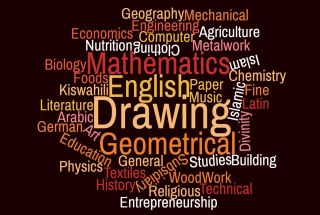
Some of the courses that prepare students for this career