












Traffic officer
Conduct field studies to determine traffic volume, speed, effectiveness of signals, adequacy of lighting, and other factors influencing traffic conditions, under direction of traffic engineer.
Traffic officer
Daily tasks/Routine activities
1. Interact with the public to answer traffic-related questions, respond to complaints or requests, or discuss traffic control ordinances, plans, policies, or procedures.
2. Prepare drawings of proposed signal installations or other control devices, using drafting instruments or computer-automated drafting equipment.
3. Provide technical supervision regarding traffic control devices to other traffic technicians or laborers.
4. Analyze data related to traffic flow, accident rates, or proposed development to determine the most efficient methods to expedite traffic flow.
5. Plan, design, and improve components of traffic control systems to accommodate current or projected traffic and to increase usability and efficiency.
6. Prepare work orders for repair, maintenance, or changes in traffic systems.
7. Lay out pavement markings for striping crews.
8. Study factors affecting traffic conditions, such as lighting or sign and marking visibility, to assess their effectiveness.
9. Gather and compile data from hand count sheets, machine count tapes, or radar speed checks and code data for computer input.
10. Operate counters and record data to assess the volume, type, and movement of vehicular or pedestrian traffic at specified time
11. Monitor street or utility projects for compliance to traffic control permit conditions.
12 .Review traffic control or barricade plans to issue permits for parades or other special events or for construction work that affects rights of way, providing
Key knowledge areas
Engineering and Technology — Knowledge of the practical application of engineering science and technology. This includes applying principles, techniques, procedures, and equipment to the design and production of various goods and services.
Transportation — Knowledge of principles and methods for moving people or goods by air, rail, sea, or road, including the relative costs and benefits.
Public Safety and Security — Knowledge of relevant equipment, policies, procedures, and strategies to promote effective local, state, or national security operations for the protection of people, data, property, and institutions.
Customer and Personal Service — Knowledge of principles and processes for providing customer and personal services. This includes customer needs assessment, meeting quality standards for services, and evaluation of customer satisfaction.
Design — Knowledge of design techniques, tools, and principles involved in production of precision technical plans, blueprints, drawings, and models.
Skills
Active Listening — Giving full attention to what other people are saying, taking time to understand the points being made, asking questions as appropriate, and not interrupting at inappropriate times.
Critical Thinking — Using logic and reasoning to identify the strengths and weaknesses of alternative solutions, conclusions or approaches to problems.
Speaking — Talking to others to convey information effectively.
Complex Problem Solving — Identifying complex problems and reviewing related information to develop and evaluate options and implement solutions.
Coordination — Adjusting actions in relation to others' actions.
Abilities
Oral Comprehension — The ability to listen to and understand information and ideas presented through spoken words and sentences.
Oral Expression — The ability to communicate information and ideas in speaking so others will understand.
Inductive Reasoning — The ability to combine pieces of information to form general rules or conclusions (includes finding a relationship among seemingly unrelated events).
Problem Sensitivity — The ability to tell when something is wrong or is likely to go wrong. It does not involve solving the problem, only recognizing there is a problem.
Written Comprehension — The ability to read and understand information and ideas presented in writing.
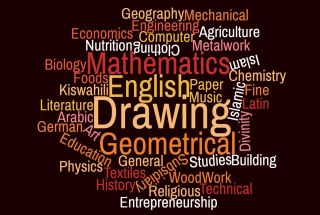
Some of the courses that prepare students for this career
-
Apprenticeship is the proven way for getting excellent workers
Know more -
How to choose the right career path
Know more -
How to draw career inspiration from what you learn in class
Know more -
why you cannot give up now
Know more -
Know more -
Know more -
Know more -
 The 10,000 hours of practice
Know more -
Know more -
Know more -
Know more -
Know more -
Know more -
Valuing today as you visualize tomorrow
Know more -
Jack Ma tells it all
Know more -
Joint courses give graduates edge
Know more -
Sports can boost your confidence
Know more -
 There are more than three job opportunities in a given profession that one can take advantage of.
Know more
Watch and Listen what the practioneers in your field are saying