Instruct or coach groups or individuals in the fundamentals of sports. Demonstrate techniques and methods of participation. May evaluate athletes' strengths and weaknesses as possible recruits or to improve the athletes' technique to prepare them for competition. Those required to hold teaching degrees should be reported in the appropriate teaching category.
1. Provide training direction, encouragement, motivation, and nutritional advice to prepare athletes for games, competitive events, or tours.
2. Plan, organize, and conduct practice sessions.
3. Explain and enforce safety rules and regulations.
4. Plan and direct physical conditioning programs that will enable athletes to achieve maximum performance.
5. Instruct individuals or groups in sports rules, game strategies, and performance principles, such as specific ways of moving the body, hands, or feet, to achieve desired results.
6. Teach instructional courses and advise students.
7. Evaluate athletes' skills and review performance records to determine their fitness and potential in a particular area of athletics.
8. Monitor athletes' use of equipment to ensure safe and proper use.
9. Adjust coaching techniques, based on the strengths and weaknesses of athletes.
10. Keep abreast of changing rules, techniques, technologies, and philosophies relevant to their sport.
11. Develop and arrange competition schedules and programs.
12. Analyze the strengths and weaknesses of opposing teams to develop game strategies.
13.Contact the parents of players to provide information and answer questions.
14. Coordinate travel arrangements and travel with team to away contests.
15. Explain and demonstrate the use of sports and training equipment, such as trampolines or weights.
16. Arrange and conduct sports-related activities, such as training camps, skill-improvement courses, clinics, and pre-season try-outs.
17. Hire, supervise, and work with extended coaching staff.
Key knowledge areas
Education and Training — Knowledge of principles and methods for curriculum and training design, teaching and instruction for individuals and groups, and the measurement of training effects.
Customer and Personal Service — Knowledge of principles and processes for providing customer and personal services. This includes customer needs assessment, meeting quality standards for services, and evaluation of customer satisfaction.
English Language — Knowledge of the structure and content of the English language including the meaning and spelling of words, rules of composition, and grammar.
Psychology — Knowledge of human behavior and performance; individual differences in ability, personality, and interests; learning and motivation; psychological research methods; and the assessment and treatment of behavioral and affective disorders.
Administration and Management — Knowledge of business and management principles involved in strategic planning, resource allocation, human resources modeling, leadership technique, production methods, and coordination of people and resources.
Skills
The following skills aid a sports coach. carry out his/her duties with ease ;.
Instructing — Teaching others how to do something.
Speaking — Talking to others to convey information effectively.
Management of Personnel Resources — Motivating, developing, and directing people as they work, identifying the best people for the job.
Monitoring — Monitoring/Assessing performance of yourself, other individuals, or organizations to make improvements or take corrective action.
Judgment and Decision Making — Considering the relative costs and benefits of potential actions to choose the most appropriate one.
Abilities
Oral Expression — The ability to communicate information and ideas in speaking so others will understand.
Speech Clarity — The ability to speak clearly so others can understand you.
Deductive Reasoning — The ability to apply general rules to specific problems to produce answers that make sense.
Oral Comprehension — The ability to listen to and understand information and ideas presented through spoken words and sentences.
Problem Sensitivity — The ability to tell when something is wrong or is likely to go wrong. It does not involve solving the problem, only recognizing there is a problem.
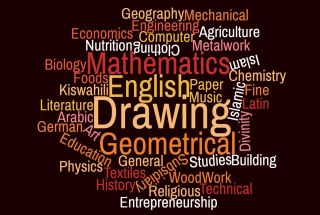
Some of the courses that prepare students for this career
















 The 10,000 hours of practice
 There are more than three job opportunities in a given profession that one can take advantage of.